Angkor Wat 2-Day Itinerary Small and Big Circuits helps you see the top temples in two clear days with less rushing, less backtracking, and better timing.
Angkor Wat 2-Day Itinerary Small and Big Circuits gives you two smart temple days, stronger sunrise timing, better photo stops, and a far less stressful plan.
Angkor Wat 2-Day Itinerary: Small and Big Circuits is the sweet spot if you want the big names on day one and the wider temple loop on day two. I would use day one for Angkor Wat, Bayon, and Ta Prohm, then save day two for Pre Rup, East Mebon, Ta Som, Neak Pean, and Preah Khan. This split gives you better pacing, less backtracking, and more room for sunrise, photos, and rest. If you want it easier, you can pair a sunrise trip with a full-day backcountry temple route and finish with a dinner show at night.
Angkor Wat 2-Day Itinerary: Small and Big Circuits works best when you use sunrise on the first day, the wider loop on the second day, and a 3-day pass so you do not have to cram every temple into one long, hot push.
Benefit-first subtitle: Save time and see more with this Angkor Wat 2-Day Itinerary: Small and Big Circuits plan built for smart pacing, fewer repeat roads, and stronger temple photos.
Feature-first subtitle: This Angkor Wat 2-Day Itinerary: Small and Big Circuits uses a sunrise start, a clean loop order, and tour-ready stops that fit real energy levels.
Big win subtitle: See the temples people fly across the world for, skip the messy backtracking, and end day two feeling calm, not wiped out.
Quick points
- You can cover the main Small Circuit temples in one morning and still have gas left.
- Day two is where the wider Angkor area starts to feel bigger, quieter, and more rewarding.
- I would pick the 3-day Angkor pass for this plan, even if you only visit for two temple days.
- A refillable water bottle is a smart move and helps local no plastic efforts.
- If you do not want to self-plan, there are ready-made tours that already match this route well.
| Day | Route | Why it works |
|---|---|---|
| Day 1 | Angkor Wat, Bayon, Ta Prohm | You hit the three temples most people care about first |
| Day 2 | Pre Rup, East Mebon, Ta Som, Neak Pean, Preah Khan | You see the wider loop at a slower, better pace |
Why does Angkor Wat 2-Day Itinerary: Small and Big Circuits work so well?
It works because you split the famous temples from the wider loop, so you get more out of both days.
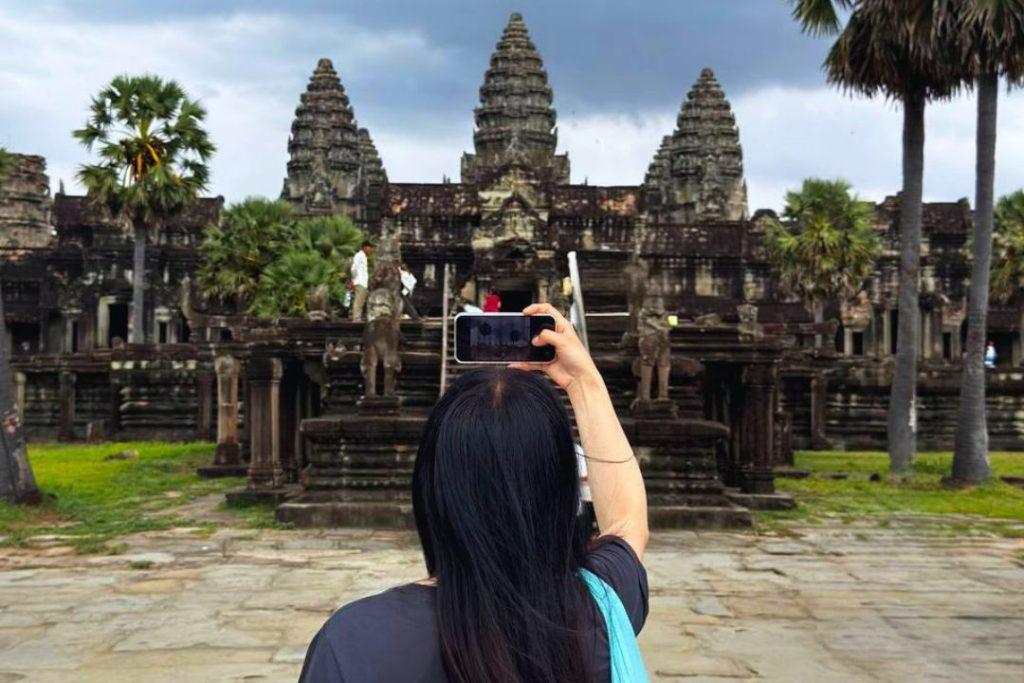
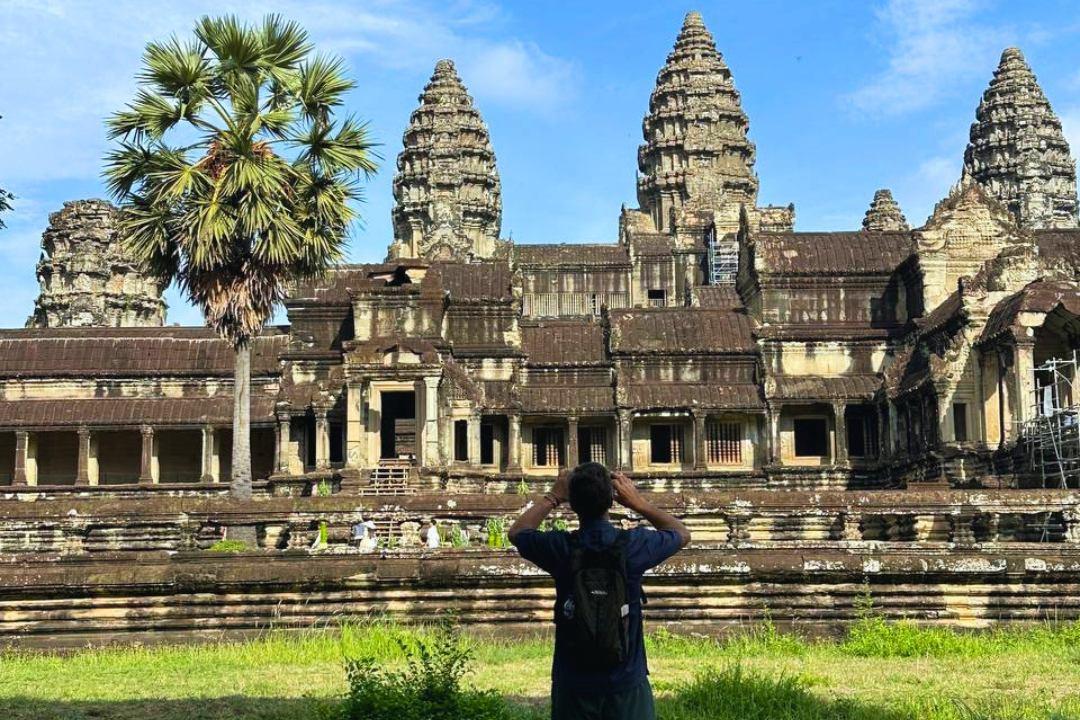
I like this setup because it gives each day a clear job. Day one is your headline day. You get the temple silhouette at dawn, the stone faces at Bayon, and the tree-root ruins at Ta Prohm. That alone is a full story.
Day two feels different in a good way. The road opens up. The stops are less packed together. You start to see how large Angkor really is. The place stops feeling like one famous temple and starts feeling like a whole old city.
A lot of people try to do too much in one day. I would not. Angkor is hot, bright, and full of stairs. Two days gives you room to walk slower, drink water, sit down for lunch, and still care about what you are seeing by late afternoon.
How should I split Angkor Wat 2-Day Itinerary: Small and Big Circuits across two days?
I would do the Small Circuit first, then the Big Circuit on the next day.
That order is the cleanest. It matches what most first-time visitors want, and it keeps the trip from feeling random. Angkor Wat 2-Day Itinerary: Small and Big Circuits also works well if you want a guided version, since local tour plans already follow a very similar split.
Day 1: Small Circuit plan
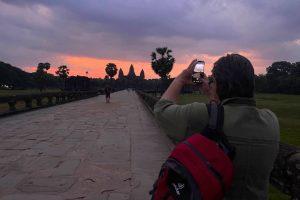
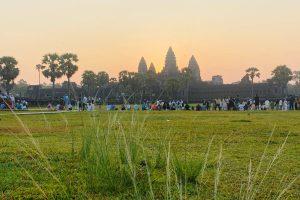
Sunrise at Angkor Wat
Start early. Very early. If sunrise matters to you, this is the one morning to do it. Park rules on the official ticket page list entry from 5:00 AM, so buy your pass ahead of time if you can.
My move is simple. Do not get stuck at the main pond with the thickest crowd. Shift to the right side area after you enter. You still get the temple shape, but the scene often feels less packed. Once the sun is up, move fast. Many people head back for breakfast. That is your opening.
If you want someone else to handle the pickup, timing, and route, book the Angkor sunrise tour for a half-day temple start. It covers Angkor Wat at sunrise, then Bayon and Ta Prohm in one neat morning.
Bayon
After sunrise, I would go straight to Bayon. This is the face temple inside Angkor Thom, and it feels very different from Angkor Wat. Angkor Wat is wide and grand. Bayon feels close, carved, and a bit mysterious.
Go early and you will get softer light on the stone faces. You will also get cooler air, which matters more than people expect. Bayon is one of those places where you look up, stop talking for a second, and just stare.
Ta Prohm
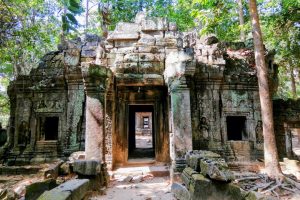
Ta Prohm gives you a hard turn in mood. Bayon feels carved by people. Ta Prohm feels half-held by the jungle. The tree roots, narrow paths, and broken walls make it one of the most memorable stops in the park.
By this point, the first-day route makes sense. You get three very different temple moods without having to zigzag all over the map.
Optional late add-on
If you still feel fresh, you can end day one with a gentle extra stop like Banteay Kdei or Srah Srang. I would only do that if your feet still agree with you. There is no prize for being exhausted by noon.
Day 2: Big Circuit plan
Pre Rup
I like starting day two at Pre Rup. It wakes you up fast. The brick tones glow well in the morning light, and the temple has a strong, open feel after the tighter paths of day one.
It also sets the tone for the Big Circuit. You are now in the wider loop, where the temples feel more spread out and the road sections start to matter.
East Mebon
East Mebon is a good follow-up because it keeps the rhythm going without a long break in mood. Watch for the elephant figures and the raised platform. It is not as famous as Angkor Wat, but that is part of the appeal. You are still seeing a serious temple, just with fewer elbows around you.
Ta Som
Ta Som is smaller, but I would not skip it. It gives you a quieter pause. The tree-framed gate is one of those spots that lingers in your head later.
Neak Pean
Neak Pean changes the mood again. The water setting makes the stop feel lighter after a run of stone-heavy temples. It is also a nice place to slow your pace for a bit.
Preah Khan
Preah Khan is where day two really pays off. It is broad, layered, and full of corners that pull you in. If day one gave you the poster temples, day two gives you the temple where you wander and keep finding more.
For many travelers, this becomes the temple they talk about later.
Want a wider day two with Banteay Srei?
If you want to stretch beyond the standard Big Circuit, I would look at the Banteay Srei backcountry temple route. It adds Banteay Srei with Pre Rup, East Mebon, Ta Som, Neak Poun, and Preah Khan. That is a very smart second-day choice if you want more temple detail and fewer same-same stops.
| Loop | Main temples | What you get |
|---|---|---|
| Small Circuit | Angkor Wat, Bayon, Ta Prohm | The famous first-day set |
| Big Circuit | Pre Rup, East Mebon, Ta Som, Neak Pean, Preah Khan | More space, more variety, more quiet |
Which pass should you buy for this plan?
For most people, the 3-day pass is the better buy for a 2-day route.
Yes, you can do two separate 1-day passes. But I would not. The official rates make the 3-day pass the cleaner move for many travelers. You get more breathing room, and you can even take a rest day between temple days if you want.
Park hours on the official ticket page show entry from 5:00 AM and closing at 6:30 PM for Angkor temple passes. That makes sunrise starts easy, but it also means you need to watch the clock on longer afternoons.
| Pass | Official price | My take |
|---|---|---|
| 1-day pass | $37 | Fine if you only want one hard temple day |
| 3-day pass | $62 | My pick for a 2-day temple plan |
| 7-day pass | $72 | More for temple fans staying much longer |
If you want the official ticket page, use the official Angkor Enterprise ticket site. I would always check live details there before you go.
What should you know before you go?
Dress right, eat in the right places, and plan for heat.
Shoulders and knees need to be covered at temple sites. Light clothes help, but they still need to meet the dress rule. Good shoes matter too. You will climb steps, walk uneven stone, and move in and out of vans or tuk-tuks all day.
Food rules matter more now than many visitors think. Packed meals are not allowed inside the temple complex, so plan to eat at proper restaurant areas during your route. Do not count on a picnic by the temple walls.
Water matters. Bring a refillable bottle. You will thank yourself by 11:00 AM. It also helps local no plastic efforts, which is a smart habit in a place that gets heavy visitor traffic.
A few simple mistakes to avoid:
- Do not save Angkor Wat for late morning on day one if you care about light and crowd levels.
- Do not wear temple clothes that miss the shoulder or knee rule.
- Do not rush both loops into one day unless you enjoy feeling wrecked.
- Do not count on eating wherever you stop.
- Do not forget that the heat gets harder after lunch.
What if you want this route without self-planning?
You can book tours that already match this two-day split very well.
If you want the easy version of Angkor Wat 2-Day Itinerary: Small and Big Circuits, I would piece it together like this:
- Book the Angkor sunrise tour for day one if you want the classic first morning with Bayon and Ta Prohm.
- Book the Explore Angkor full-day tour with sunset if you want a full day that covers Angkor Thom, Bayon, Ta Prohm, Angkor Wat, and Phnom Bakheng in one route.
- Book the Banteay Srei backcountry temple route for day two if you want the wider temple day with Pre Rup, East Mebon, Ta Som, Neak Poun, and Preah Khan.
- End the second day with the Robam Theatre grand buffet dinner and Apsara show if you want an easy night plan after temple time.
I like that last add-on a lot. After two temple days, sitting down for Khmer food and a dance show is a nice reset. No more route planning. No more sun. Just dinner, music, and a calm finish.
What should you do next?
Buy the right pass, lock in day one, then build day two around your energy.
If I were planning this for myself, I would start with the pass, then secure sunrise first. After that, I would decide how wide I want day two to go. Some people are happy with the classic Big Circuit. Others want Banteay Srei too. Both are good. It depends on your legs, your time, and how much temple detail you want.
My honest take is simple. Angkor Wat 2-Day Itinerary: Small and Big Circuits gives you the best balance for a first temple trip. You see the names you came for, but you also get enough room to feel the place. That second part matters. If you want help shaping the route, pickup, or tour mix, send a note through the Siem Reap Shuttle contact page. That is the easiest next step.
More reading from Siem Reap Shuttle
- How to visit Angkor Wat without the crowds
- Best photo spots around the Angkor Wat area
- Cambodia temple etiquette guide for first-time visitors
- How many days in Siem Reap for temples
- Food rules inside the Angkor temple complex
- Official Angkor Enterprise ticket page
- Angkor sunrise tour
- Explore Angkor full-day route
- Banteay Srei backcountry temple route
- Robam Theatre grand buffet dinner and Apsara show
- Visit Angkor Wat without crowds