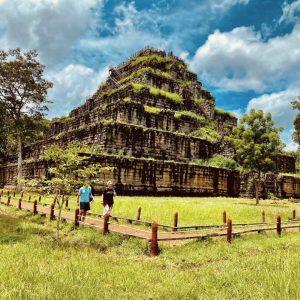

Can I Visit Angkor Wat and a Floating Village in One Day?
What you will see in a full day, how long each leg takes, and whether this plan fits your travel pace.
Two icons in one calendar day: Angkor Wat sunrise at 6:00 am, Kampong Phluk stilt houses by boat at 3:30 pm, and you back in your hotel bed by 7:30 pm.
Yes, you can visit Angkor Wat and a floating village on the same day from Siem Reap. I have planned this exact day dozens of times, and it works when you pick the right village, keep the temple morning tight, and book a driver who knows both roads. Start with sunrise at Angkor Wat, add Bayon and Ta Prohm if the pace allows, then head for Tonle Sap Lake in the afternoon.
Kampong Phluk is my usual pick because it sits close enough to pair with a temple morning without eating the whole day in a van.
The honest answer is that the plan lives or dies on one thing: the village you choose. Can I visit Angkor Wat and a floating village in one day?
Yes, but your morning choices decide how relaxed the afternoon feels. Skip the full Angkor circuit. Save the far temples like Banteay Srei for another day, and you will have a calm, complete day from dawn to dusk. I share the exact clock times, costs, and route I use below.
What to Remember Before You Go
- A one-day Angkor pass costs US$37 as set by Angkor Enterprise, the official ticket agency.
- Kampong Phluk is about 16 km from Siem Reap, a drive of roughly 40 to 45 minutes each way.
- The boat ride from the Kampong Phluk dock to the stilt houses and flooded forest runs about 30 minutes.
- The morning temple route takes around 8 hours including the sunrise start at 4:20 am.
- The afternoon lake trip adds about 5 hours, with hotel return around 7:30 pm.
- Dress so your shoulders and knees stay covered for the temple part of the day.
Here is the short version before you scroll. A private or small-group route that covers Angkor Wat sunrise, Bayon, Ta Prohm, and Kampong Phluk in one booking is the smoothest way to answer can I visit Angkor Wat and a floating village in one day. You get cold water in the van after every temple stop, a local guide who knows the quiet corners, and a boatman who reads the water level on Tonle Sap for you.

Which Floating Village Pairs Well with Angkor Wat?
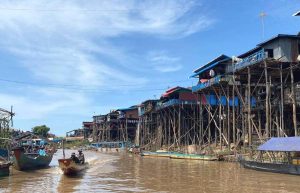
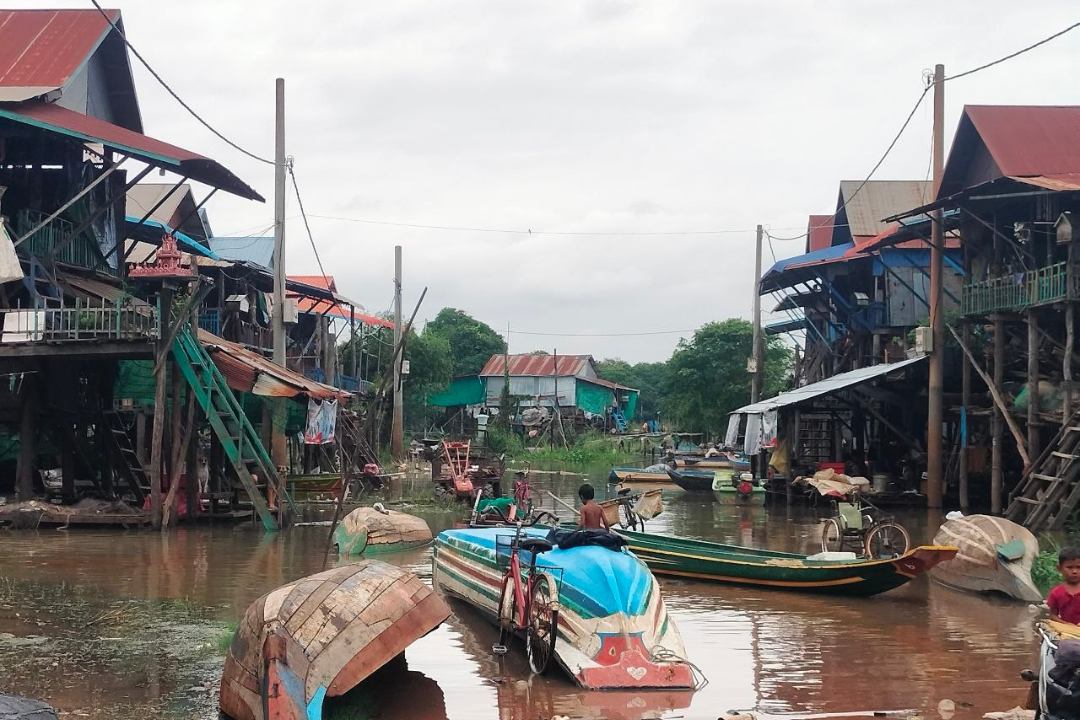
Kampong Phluk is the one I recommend most often, and there are three clean reasons why. It sits on the Tonle Sap floodplain about 16 km southeast of Siem Reap, so the afternoon drive stays short. The boat trip takes you past stilt houses raised high above the water, a pagoda, and a flooded forest that glows gold in late light. And because it is a stilt village rather than a true floating one, you can visit it in both the dry season and the wet season, which protects your plan through the year.
The other two named villages each have a trade-off. Chong Khneas is the closest at about 15 km and the most visited, which means busier docks and more souvenir pressure on the boat. Kampong Khleang is the wildest and the most remote at roughly 55 km away, rewarding you with a bigger, quieter stilt community of about 3,000 people but costing you an hour or more of extra driving. For a one-day temple and lake plan, that extra road time works against you.
| Village | Drive from Siem Reap | Best fit for a one-day temple and lake plan |
|---|---|---|
| Chong Khneas | About 15 km, 30 minutes | A quick lake taste when you want to save the most time |
| Kampong Phluk | About 16 km, 40 to 45 minutes | My top pick for pairing with an Angkor Wat morning |
| Kampong Khleang | About 55 km, 75 to 90 minutes | The most remote and quiet, when you have a second day to spare |
For most readers, the table points one way. Choose Kampong Phluk and keep the afternoon light. That is the pairing I use in the full-day plan below.
Angkor Wat and Kampong Phluk in One Day
Here is the sequence I run, down to the minutes, so you can see how can I visit Angkor Wat and a floating village in one day plays out in practice:
- 4:20 am to 4:30 am – pickup at your hotel in Siem Reap.
- 5:00 am departure, arriving at Angkor Wat before the sky turns.
- 6:00 am to 8:30 am – sunrise over the temple, then the causeway, the bas-reliefs, and the central courtyards while the air is still cool.
- 8:30 am to 9:15 am – breakfast stop near Srah Srang, where the morning gets a soft pause.
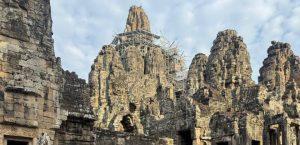
- 9:30 am to 11:00 am – Bayon and its stone faces, then Ta Prohm and the giant tree roots.
- 12:30 pm – the temple section ends and you return to Siem Reap.
- 2:00 pm pickup, 2:30 pm departure toward Tonle Sap Lake.
- 3:30 pm onwards – the boat glides past stilt houses, a pagoda, and into the flooded forest.
- 7:30 pm – drop-off back at your hotel, in time for dinner.
The temple leg runs about 8 hours and the lake leg about 5 hours, so it is a long day, not a rushed one. The gap between 12:30 pm and 2:00 pm gives you space to rest, eat a proper lunch, and recharge. That midday pause is the reason the day feels calm instead of frantic.

Angkor Sunrise and Floating Village Tour
Sunrise is the single best reason to start Angkor with the temples and finish with the lake. You get three distinct pieces of light in one day: the soft pink dawn over Angkor Wat, the midday shadows inside Ta Prohm, and the golden late sun on the Tonle Sap floodplain. Many large tour groups leave Ta Prohm around lunchtime, so your afternoon on the lake is genuinely peaceful by comparison.
This is a full day that works well for couples, families, solo travelers, and photo lovers. I run it as a small group capped at 10 to 14 people, and the pace stays calm because nobody is waiting on a big coach schedule. If you want even more space, a private van changes the feel completely: you set the minutes at each temple and the boat goes when you are ready.
How Many Temples Can You Visit Before Tonle Sap?
Keep it to three temples for a relaxed day: Angkor Wat, Bayon, and Ta Prohm.
That is the honest answer I give every traveler who asks me to pack more in. Angkor Wat needs time at sunrise, Bayon rewards a slow walk among its many carved faces, and Ta Prohm has the famous tree-root scenes that deserve a patient stroll. Those three fill a morning properly. Adding a fourth temple, say Preah Khan or Banteay Kdei, means cutting minutes somewhere, and the lake leg pays the price.
If you have a 3-day Angkor pass, the smarter move is to give the big circuit its own dedicated day with early access, and treat this as the sunrise and village day. Travelers who try to complete a full outer circuit and then race to the boat usually arrive tired, with short patience for the stilt village. Less is genuinely more here.
Floating Village Boat Times and Water Levels
Tonle Sap is the largest freshwater lake in Southeast Asia and a UNESCO Biosphere Reserve, and its size swings wildly between seasons. In the dry months the lake sits near 2,500 square kilometers; in the wet season the flooded expanse can stretch toward 15,000 square kilometers or more. That swing changes what you see on the Kampong Phluk boat ride.
In the wet season, from roughly June through October, the water comes right up to the stilt houses, the flooded forest is deep, and the boats move easily through the village. In the dry season, from about December through April, the water drops, the stilts look even taller, and the boatmen run you through quieter channels. Both seasons work. I time the afternoon trip for late light either way, because the low sun turns the water a soft gold that photographs beautifully.
Angkor Pass and Boat Ticket Costs
Your temple access comes from an Angkor pass sold by Angkor Enterprise, the official agency, and the prices are fixed: US$37 for 1 day, US$62 for 3 days, and US$72 for 7 days, with the multi-day passes valid over a spread of days. You can buy it in advance on the official website or at the ticket center, and the fee is separate from your tour booking.
On top of that, some villages add a small local boat or community charge at the dock (often a few dollars per person), and tipping the boat crew and driver is appreciated but not required. My tours list the temple pass and any site fees as not included, so you know exactly where your money goes. I recommend paying the village boat fee in small US dollar bills, since change is easier that way.
Private Temple and Floating Village Tour from Siem Reap
If you want the whole day arranged as one smooth booking, my Sunrise at Angkor Wat with Afternoon Floating Village tour does exactly this: Angkor Wat at dawn, Bayon, Ta Prohm, a breakfast stop near Srah Srang, and an afternoon boat through Kampong Phluk’s stilt houses and flooded forest. You get hotel pickup, a modern air-conditioned van, a local guide, cold water after each stop, and a return around 7:30 pm. Shared and private options are both available.
For same-day or next-day bookings, call us directly at +855 (0)98 55 55 18 so we can confirm seats. For plans more than 24 hours out, use the booking form on the tour page and you will get a confirmation email within a day. A private van gives you pace control if you want more time at any temple or an extra stop on the way to the lake.
One Day, Two Icons: My Take
I have watched travelers try to answer can I visit Angkor Wat and a floating village in one day by squeezing in every temple, and I have watched the same travelers come back drained. The version that works is the version I booked for you above: a focused sunrise morning, a proper lunch gap, and a calm boat evening. You leave with the towers of Angkor Wat and the stilted lanes of Kampong Phluk in the same camera roll and the same memory.
Three steps to make it real:
- Decide your travel dates and confirm your Angkor pass on the official Angkor Enterprise site.
- Book the Sunrise at Angkor Wat with Afternoon Floating Village tour, shared or private.
- If your dates are near, call +855 (0)98 55 55 18 or use the contact page and I will make sure your day is set.
More from the Siem Reap Shuttle library