Best Time to Visit Siem Reap and Angkor Wat: Siem Reap Shuttle Tours Plain-English Plan for Better Temple Days
Best Time to Visit Siem Reap and Angkor Wat Month-by-Month Plan, Crowd Notes, and Temple Timing Tips
See Angkor in cooler air, skip the roughest heat, and line up sunrise tours, temple days, and airport pickup with far less guesswork.
The best time to visit Siem Reap and Angkor Wat is November through February if you want cooler mornings, easier walking, and the cleanest setup for sunrise temple days. March to May still works well if you start very early and keep your afternoons light. For most first-time travelers, the best time to visit Siem Reap and Angkor Wat is late November, December, or January, then I would pair that timing with an airport pickup, one sunrise temple day, and one outer-temple day.
Best Time to Visit Siem Reap and Angkor Wat for Cooler Temple Hours, Better Photos, and Easier Trip Planning
Fast answer
Best time to visit Siem Reap and Angkor Wat depends on what you want most: cooler weather, fewer crowds, greener scenery, or the easiest shot at a smooth sunrise tour. If you want the easiest all-round trip, go in late November, December, or January. If you want lower hotel prices and softer green views, go in June, July, or August and keep your schedule flexible. If you want temple days with less rushing, plan your Angkor Pass, airport ride, and sunrise day before you land.
What you should remember
- November to February is the easiest window for most people.
- April and May feel hot fast, so early starts matter a lot.
- June to October can be very pretty, with green rice fields and moody skies.
- Sunrise at Angkor Wat is easier on your body in the cooler months.
- Outer temple days feel better when you have a driver and a fixed plan.
- You should sort your pass on the official Angkor ticket site and check the Cambodia e-arrival form before you fly.
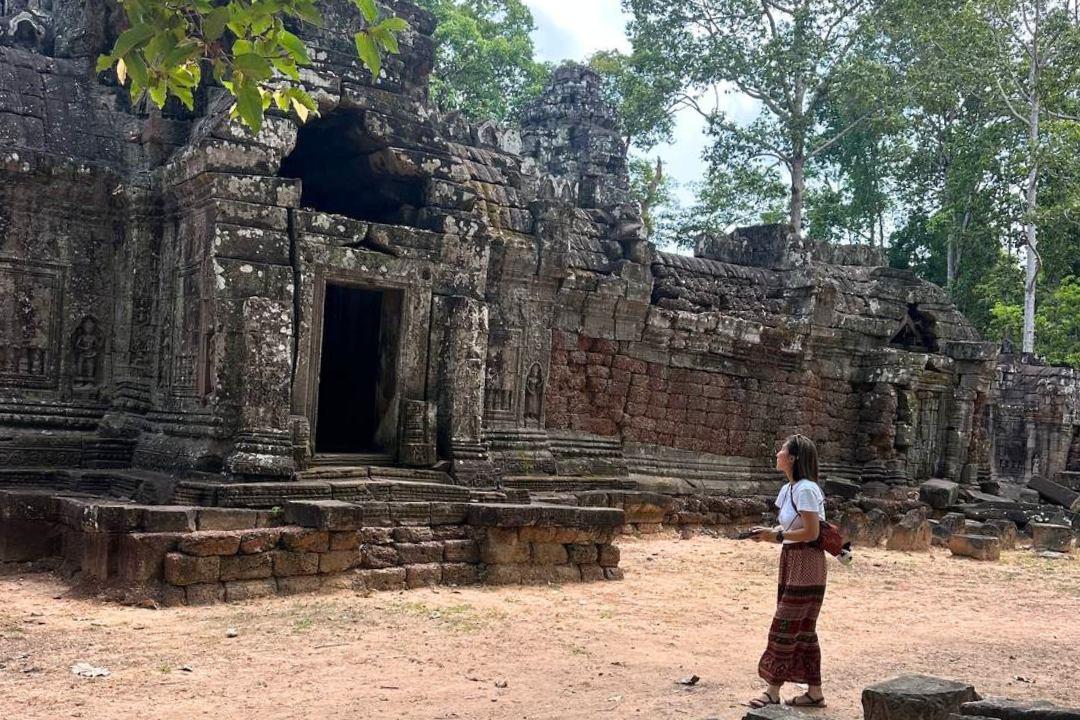
What is the best time to visit Siem Reap and Angkor Wat?
For most travelers, the best time to visit Siem Reap and Angkor Wat is late November to February because the mornings are cooler, the roads are easy, and long temple days feel far more comfortable.
That is the short answer. If you are coming for your first trip, I would not overthink it. Pick late November, December, January, or early February, then build your plan around early mornings and a calm midday break. You get better walking weather, a cleaner sunrise setup, and less chance of a storm knocking your day off track.
Here is the simple version:
| Travel window | What you get | My pick for |
|---|---|---|
| November to February | Cooler mornings, dry roads, easy sunrise starts | First-time visitors, families, photo-focused trips |
| March to May | Hot days, dry skies, early starts matter | Fast movers, short trips, sunrise-first plans |
| June to October | Green views, rain bursts, fewer people at many spots | Return visits, softer budgets, flexible planners |
If you are booking temples for only one or two days, the weather matters more than people expect. You are not just standing in one place. You are climbing stairs, walking causeways, moving between courtyards, waiting for light, then doing it again. A day that starts cool often feels twice as easy by noon.
Is November to February the best time to visit Siem Reap and Angkor Wat?
Yes. If you want the safest all-round pick, this is the best window.
This is the part of the year I would point most travelers to first. The cooler air makes 4:30 am pickups less painful. You can stay out longer at Angkor. And you are less likely to feel cooked by lunch.
Crowds do go up in these months. That is real. Still, good timing beats crowd fear. If you leave early, use a fixed route, and book the right tour, you still get a far smoother day than you would in the hottest part of the year.
Why late November and December work so well
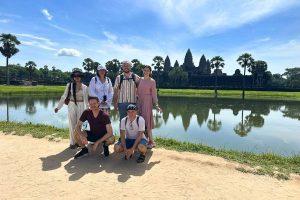
Late November and December hit a sweet spot. The wet months have eased off, the skies often clear up nicely, and sunrise starts feel fresh instead of brutal. This is a strong time to book the private Angkor Wat sunrise tour if your main goal is that classic first-light temple moment without dragging yourself through heavy heat later.
It is also a strong time to add the SAI Siem Reap airport transfer on arrival. After a long flight, the last thing you want is to haggle, wait around, or lose an hour before you even reach town.
Why January stays strong
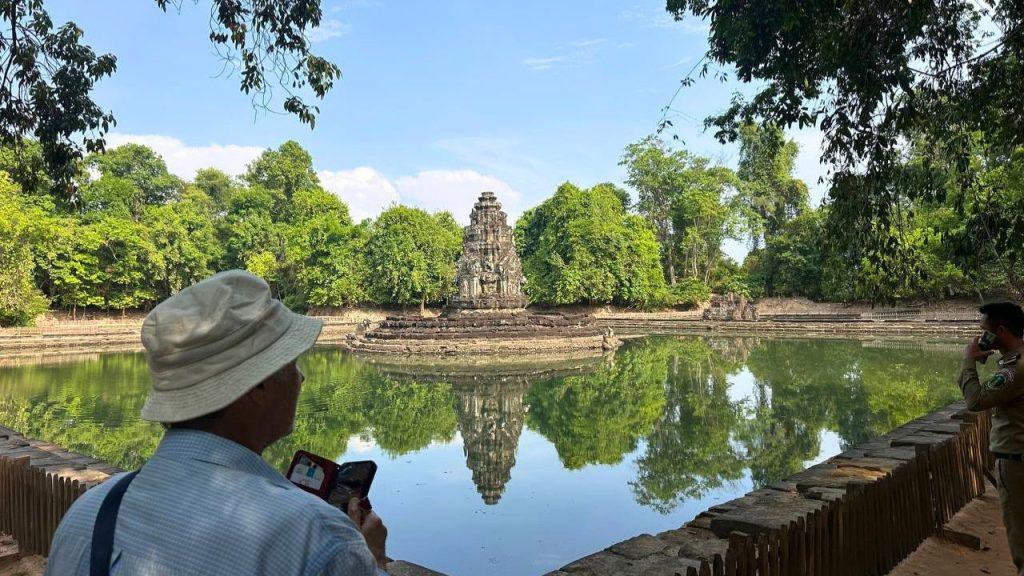
January is still one of my favorite picks for the best time to visit Siem Reap and Angkor Wat. You can do a sunrise, a full circuit, lunch, and still feel human at the end of the day. If you want more than the headline temples, this is a very good month to book the Banteay Srei backcountry tour, since the route covers Pre Rup, Banteay Srei, East Mebon, Ta Som, Neak Poun, and Preah Khan in one clean day.
What to do before you land
Do two admin jobs early.
- Buy or review your pass details on the official Angkor Enterprise ticket site.
- Check the official Cambodia e-Arrival site before your flight.
Those two steps save you stress on the ground. Simple, boring, useful. I like that kind of planning.
What if you travel in March, April, or May?
You can still have a very good trip, but you need to treat the morning like gold.
March is still workable. April and May are the months when you really feel the heat. If you sleep late, stack too many temple stops, and try to brute-force the day, you will regret it. Fast.
My fix is simple. Book sunrise. Start before dawn. Keep one major temple block in the morning. Then take a long lunch or pool break. If you want a full day, use a driver and let the afternoon be lighter.
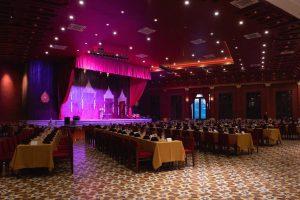
This is where the private Angkor Wat sunrise tour earns its keep. You control the pace better than you do on a large fixed run. If you still want a second half to the day, the Robam Theatre grand buffet dinner and Apsara show works nicely because you can rest in the afternoon and go out again at night.
If you are stubborn about packing your schedule, at least do it smart:
- Wear light clothes that still meet temple dress rules.
- Carry water from the start.
- Sit down for breakfast after sunrise.
- Keep your second temple block short.
- Save long outer-road trips for cooler months if you can.
I would still call March workable for the best time to visit Siem Reap and Angkor Wat if your trip is sunrise-led and you are fine with hot afternoons. April and May are more for travelers who know what they are signing up for.
Can the rainy months still be the best time to visit Siem Reap and Angkor Wat for some travelers?
Yes. If you care more about green views, softer room rates, and a quieter feel, June to October can work very well.
A lot of people write off the wet months too quickly. I do not. Rainy season is not constant all-day rain every day. You may get a hard shower, then soft light, wet stone, and a sky that looks far better in photos than flat dry-season white.
This is also a very good window for people who want more mood and less pressure. Temples can feel calmer. The countryside looks greener. And if you are the sort of traveler who does not need a perfect blue sky to enjoy old stone, you may end up liking these months more than expected.
This is where the sunrise at Angkor Wat with afternoon floating village tour can make real sense. You get Angkor at dawn, then a Tonle Sap village run later in the day when the water world feels right for the season.
Rainy months also suit the outer-temple feel on the Banteay Srei backcountry tour. Pre Rup after rain can look warm and textured. Banteay Srei often feels lovely in softer light. Preah Khan gains a moody, almost cinematic feel when the stone is darker and the air is still.
That said, keep your mindset loose. Wet months are not for rigid planners. They are for people who can shrug, wait out a shower, then keep going.
When is the best time to visit Siem Reap and Angkor Wat for sunrise photos?
December, January, and early February are my first picks for the easiest sunrise mornings.
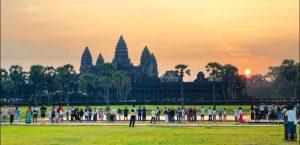
The famous Angkor Wat sunrise shot is not just about the sun. It is also about how you feel at 5:00 am, how fast you can move, and whether the rest of the day still has energy left in it. Cooler mornings make all of that easier.
If sunrise is the top goal of your whole trip, I would lean hard toward dry-season mornings and book a route that lets you move with less friction. The private Angkor Wat sunrise tour is the direct play here. If you want a longer day with temples and water, the sunrise and floating village day tour is a smart second option.
One mild opinion from me: sunrise is worth it, but only if you build the whole day around it. Do not treat it like one photo stop and then pile on chaos. Eat after. Slow down. Let the morning breathe.
Which side trips fit the season best?
Match your day trip to the weather, not just the photo you want.
This is where a lot of trips go wrong. People pick tours by name, not by the month they are traveling in. I would do the reverse.
| What you want | Tour to book | Why I would pick it |
|---|---|---|
| Classic first visit with dawn focus | Private Angkor Wat sunrise tour | Best in cooler months, easier start, strong for first-timers |
| One full day with temples plus water | Sunrise at Angkor Wat with afternoon floating village tour | Good if you want one packed day and do not want to split bookings |
| Outer temples with variety | Banteay Srei backcountry tour | Great for Banteay Srei, Preah Khan, and quieter stops beyond the main loop |
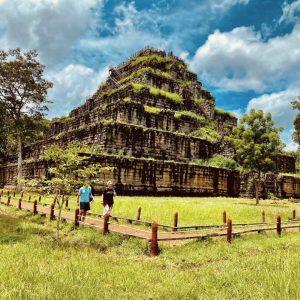
| Big ruins beyond the usual circuit | Private Koh Ker and Beng Mealea temple tour | Best when you want a full private day and more room to move |
| Easy landing day | SAI Siem Reap airport transfer | Simple arrival, less waiting, easy first step |
| Evening culture after a temple day | Robam Theatre buffet dinner and Apsara show | Nice add-on if you want a softer night plan after sunrise |
If I were building a first trip in the best time to visit Siem Reap and Angkor Wat, I would do it like this:
- Land and use the airport transfer.
- Book one sunrise day.
- Add one outer-temple day with Preah Khan and the smaller stops.
- Keep one night open for the Apsara show.
- Leave space for food, rest, and a slow morning.
That last part matters. You do not win Angkor by trying to crush it.
How many days do you need to make the best time to visit Siem Reap and Angkor Wat pay off?
For most first visits, I would stay 3 days.
One day is too rushed unless you are on a stopover. Two days is workable. Three days is where the trip starts to feel good instead of rushed. You get one dawn, one outer-temple day, and one softer slot for food, culture, or a lake visit.
My plain 3-day plan
Day 1
Arrive, use the SAI Siem Reap airport transfer, check in, and keep the day easy. Buy or confirm your pass, get dinner, sleep early.
Day 2
Go all in on dawn with the private Angkor Wat sunrise tour. If you still have gas in the tank later, keep the evening light or add the Robam Theatre dinner and Apsara show.
Day 3
Pick your flavor. If you want classic outer temples, take the Banteay Srei backcountry tour. If you want farther ruins and a private day, go with the private Koh Ker and Beng Mealea temple tour.
That is why I keep coming back to the same answer: the best time to visit Siem Reap and Angkor Wat is not just about months. It is also about giving yourself enough days to enjoy those months properly.
What I would do next if I were booking today
My short take
If you asked me for the best time to visit Siem Reap and Angkor Wat, I would still steer you toward late November, December, or January first. The trip just feels easier then. You wake up earlier without a fight, sunrise makes more sense, and the long temple days do not wear you down as fast.
If your dates are fixed outside that window, do not panic. Just shape the trip around the season you have, not the season you wish you had.
Here is the simple next move:
- Pick your month.
- Decide if sunrise is a must-do.
- Book your airport ride first.
- Add one temple day and one side trip.
- If you want help putting it together, contact the Siem Reap Shuttle team.

![2 days in Siem Reap with Sunrise at Angkor a Khmer Apsara dinner show and Tonle Sap sunset tour [With one free airport transfer]](https://www.siemreapshuttle.com/wp-content/uploads/2026/06/2-days-in-Siem-Reap-with-Sunrise-at-Angkor-a-Khmer-Apsara-dinner-show-and-Tonle-Sap-sunset-tour-With-one-free-airport-transfer-300x300.jpg)