
Angkor Pass Essential Guide to Choose the Right Ticket for Your Siem Reap Shuttle Tours
Spend less, skip temple overload, and pick the right ticket fast with this Angkor Pass Essential Guide
The Angkor Pass Essential Guide comes down to one practical choice: if you only have a single temple day, buy the 1-day pass for $37, but if you want the best overall value and a much less rushed experience, the 3-day pass for $62 is usually the smarter move.
The 7-day pass costs $72 and makes the most sense when you plan to spread out temple visits, photograph more quietly, or stay in Siem Reap for several extra days.
One detail many travelers miss: Beng Mealea and Koh Ker are not covered by the regular Angkor Archaeological Park pass, so those sites need separate ticket planning.
If you want an easy first-day temple route, the Explore Angkor tour covers Angkor Thom, Bayon, Ta Prohm, Angkor Wat, and sunset at Phnom Bakheng in one strong itinerary.
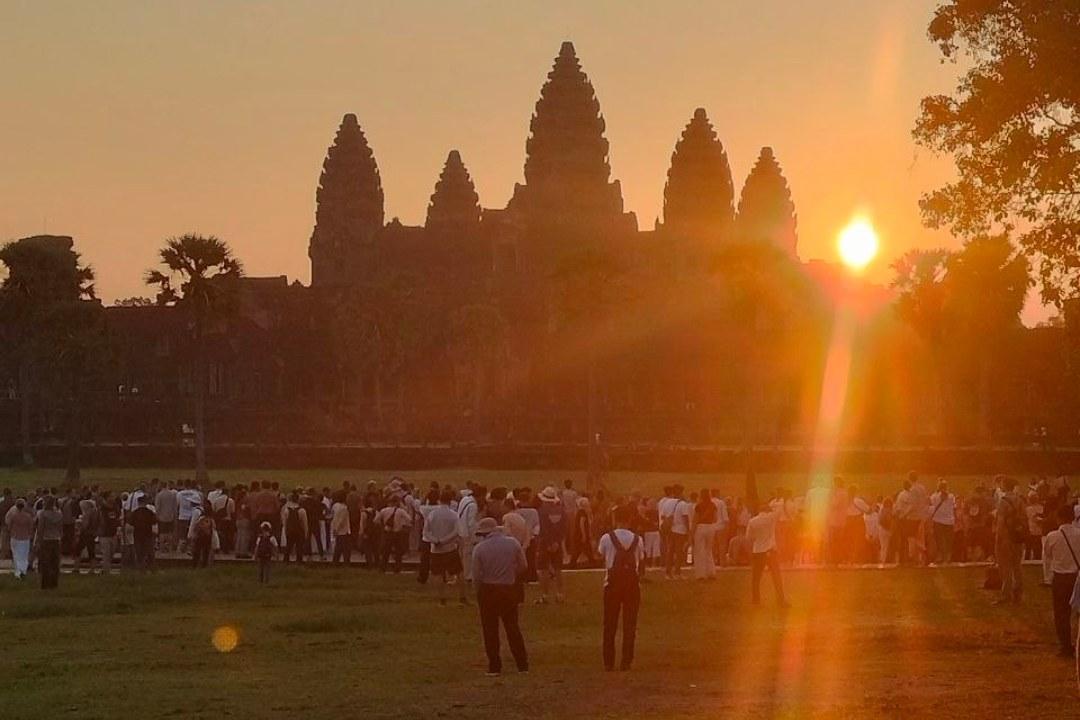
And if sunrise is your big must-do, the Angkor Sunrise Tour starts at 4:20 am and gives you the classic first-timer experience without forcing you to figure out the route on the fly.
1 day, 3 day, and 7 day pass picks with tour match tips in one Angkor Pass Essential Guide
Key benefits at a glance
- Angkor Pass Essential Guide starts with one simple truth: the “best” ticket is the one that matches your pace, not the one that looks cheapest at first glance.
- If you choose well, you save time, avoid temple fatigue, and build a Siem Reap plan that actually feels enjoyable instead of rushed.
- That matters more than people think. A lot more.
What are the key takeaways from this Angkor Pass Essential Guide?
Buy the pass that fits your energy level, then match it to the right tour.
For most first-time visitors, I’d point you toward the 3-day pass because it gives you room for sunrise, major temples, and one slower backcountry day without cramming everything into a single sweaty blur.
If you only want the highlights, the 1-day pass can still work beautifully with a focused route and an early start.
Key takeaways
-
The regular Angkor pass comes in 3 options: 1 day for $37, 3 days for $62, and 7 days for $72.
-
The 3-day pass is the sweet spot for most travelers because it can be used on any 3 days within 10 days.
-
The 1-day pass is better if you are short on time and only want the biggest icons like Angkor Wat, Bayon, and Ta Prohm.
-
The 7-day pass is worth a serious look if you are staying 5 days or more, because it costs only $10 more than the 3-day pass.
-
Children under 12 do not need an Angkor ticket, though they may need a passport to prove age.
-
Beng Mealea and Koh Ker need separate ticket planning, so don’t assume your Angkor pass covers everything.
-
Dress code matters: shoulders should be covered, and trousers or knee-length bottoms are the safe choice for temple entry.
-
If you want help stitching everything together, start with the Siem Reap Shuttle homepage and build your temple days around the tours that match your pass.
Which Angkor pass should you actually buy?
The best ticket is the one that protects your time, your stamina, and your mood.
That’s my honest answer. The wrong pass doesn’t just cost money; it changes the whole feel of your trip.
This is why an Angkor Pass Essential Guide should always talk about pace before price. Temples are incredible, yes—but after the eighth one, your brain starts negotiating.
| Pass | Best for | Reality check |
|---|---|---|
| 1-day pass — $37, valid for 1 visit within 5 days. | Travelers with one full temple day, short stopovers, or people who want the classic highlight circuit. | You need an early start and a disciplined plan or the day becomes rushed fast. |
| 3-day pass — $62, usable on any 3 days within 10 days. | First-time visitors, photographers, couples, and anyone who wants space to enjoy Angkor instead of speed-running it. | This is the most balanced choice and, in my view, the easiest one to recommend. |
| 7-day pass — $72, usable on any 7 days within 30 days. | Slow travelers, repeat visitors, long-stay remote workers, and temple nerds—in the best sense. | If you are in Siem Reap for 5 or more days, the extra $10 over the 3-day pass is genuinely hard to ignore. |
My recommendation by traveler type
If you have 1 day
Go with the 1-day pass and keep your route tight.
This is where Explore Angkor or the Angkor Sunrise Tour makes the most sense, because both itineraries focus on the temples people most want to see first.
If you have 3 days
Buy the 3-day pass.
This is the version I recommend most often because you can do one classic highlights day, one sunrise day or deeper Angkor day, and one quieter route such as Banteay Srei Backcountry Tour.
If you have 5 to 7 days
Take a hard look at the 7-day pass.
The math is simple: it costs only $10 more than the 3-day pass, and that extra flexibility can completely change your experience if you like slower mornings, repeat photography sessions, or temple breaks between sightseeing days.
How do Angkor ticket rules affect your itinerary?
Ticket rules are not boring logistics—they shape your whole trip.
A smart Angkor Pass Essential Guide has to cover the fine print, because little details are exactly what trip planning falls apart on.
And yes, this is the part many travelers skip—right before they realize they should not have skipped it.
You can buy the pass from Angkor Enterprise, including through the official site at Angkor Enterprise, and several guides also note that passes are sold at the self-service ticket office near Angkor Wat’s main entrance.
The self-service office accepts credit cards, and there are ATMs nearby, which is useful if you land in Siem Reap and want to keep things simple.
Children under 12 are exempt from the entrance fee, but they may need to show a passport as proof of age.
Your photo is printed on the pass, which makes it non-transferable—so no, you cannot share one with a friend and hope for the best.
One handy timing detail: some guides note that if you buy a 1-day pass after 4:45 PM, it can be used the next day, which is especially useful if you are preparing for a sunrise start.
That little trick can make your first morning feel much smoother.
Dress code is enforced on Siem Reap Shuttle’s temple tours, and the safe rule is simple: cover your shoulders and wear trousers or knee-length shorts or skirts.
It sounds basic, but being turned away over clothing is the kind of travel mistake that ruins a morning.
What does the Angkor pass not cover?
Beng Mealea and Koh Ker are the big exceptions you need to remember.
The regular Angkor pass covers the ticketed temples inside Angkor Archaeological Park, but Koh Ker requires separate tickets.
Beng Mealea temple is currently included in your Angkor Pass. (Note that if you do not have an Angkor Pass, you can still buy Beng Mealea ticket at the Beng Mealea ticket office with our tour guide guidance)
That matters a lot if you plan to book the Koh Ker and Beng Mealea tour, because the transport and route planning are one thing, while ticket coverage is another.
If you are mixing core Angkor days with remote temple days, budget for them separately from the start.
Honestly, this is one of the biggest reasons travelers appreciate a full Angkor Pass Essential Guide—it helps you avoid the “wait, that’s extra?” moment.
Why does pacing matter so much?
Because temple fatigue is real, even when the temples are extraordinary.
The 3-day pass is often recommended specifically because it gives you breathing room between major sightseeing blocks and helps you avoid cramming 15-plus sites into one exhausting sprint.
That breathing room is not a luxury; it is what keeps the trip exciting.
Also, Phnom Bakheng has a 300-person limit at the peak, and Siem Reap Shuttle’s Explore Angkor tour intentionally keeps the temple count focused to leave enough time for that sunset stop.
That’s a smart itinerary choice, not a limitation.
Which Siem Reap Shuttle tours fit each pass best?
Match the route to your style of travel first, then your ticket second.
This is where the Angkor Pass Essential Guide becomes practical. Not theoretical. Practical.
Because a ticket by itself does nothing—you still need a route that fits how you like to travel.
| Tour | Best pass pairing | Why it works |
|---|---|---|
| Explore Angkor | 1-day pass or Day 1 of a 3-day pass. | It bundles Angkor Thom, Bayon, Ta Prohm, Angkor Wat, and sunset at Phnom Bakheng into one classic highlights day. |
| Angkor Sunrise Tour | 1-day pass or first temple day on a 3-day pass. | It starts at 4:20 am, includes sunrise at Angkor Wat, then moves to Bayon and Ta Prohm after breakfast near Srah Srong. |
| Banteay Srei Backcountry Tour | Day 2 or Day 3 of a 3-day pass, or part of a 7-day plan. | It shifts you toward Pre Rup, Banteay Srei, East Mebon, Ta Som, and Preah Khan, which is great when you want detail, variety, and fewer “same temple again?” moments. |
Why I like these combinations?
Explore Angkor is for travelers who want the headline temples done right.
You get Angkor Thom, Bayon, Ta Prohm, Angkor Wat, and sunset at Phnom Bakheng in one curated day, which is exactly what many first-time visitors want.
The tour also keeps groups small—never more than 10 people—which usually makes moving through the temple day feel smoother and more personal.
Angkor Sunrise is for people who know sunrise is non-negotiable.
The tour begins at 4:20 am and pairs the sunrise moment with Bayon and Ta Prohm afterward, which gives your 1-day or 3-day plan a strong first chapter.
It also includes the same small-group cap of 10 guests, which helps if you prefer a more relaxed social atmosphere over a big bus experience.
Banteay Srei Backcountry is for travelers who want texture, not just icons.
This tour takes you beyond the obvious greatest-hits route with stops including Pre Rup, Banteay Srei, East Mebon, Ta Som, and Preah Khan.
And that matters, because the pink sandstone carvings at Banteay Srei and the quieter feel of some of these sites can make your temple trip feel deeper, not just longer.
What about remote ruins?
If your dream day is more adventurous and less standard, add the Koh Ker and Beng Mealea tour to your planning.
Just remember that Beng Mealea and Koh Ker are separate-ticket sites, so your Angkor pass alone will not cover them.
One more useful detail: both the Explore Angkor tour and the Angkor Sunrise Tour advertise a complimentary one-way shared airport transfer with booking, which can add a nice practical bonus if your schedule lines up.
That kind of add-on is not the reason to book a tour—but it is a pleasant extra when you are already planning airport logistics.
Conclusion
My personal take? An Angkor Pass Essential Guide is really a guide to pacing, not just pricing.
I’ve seen too many travelers focus on saving a few dollars, then lose the feeling of wonder because they packed too much into one day.
So here’s the action plan I’d use:
-
Decide how many true temple days you want—not how many you could survive.
-
Buy the ticket that matches that pace, ideally through the official Angkor Enterprise.
-
Match that pass to the right route: Explore Angkor for highlights, Angkor Sunrise Tour for the classic dawn experience, Banteay Srei Backcountry Tour for a richer second or third day, and Koh Ker and Beng Mealea Tour when you want something further out.
-
If you want help putting the whole plan together, use the Siem Reap Shuttle contact page and ask about the route that fits your dates, energy, and must-see temples.

![2 days in Siem Reap with Sunrise at Angkor a Khmer Apsara dinner show and Tonle Sap sunset tour [With one free airport transfer]](https://www.siemreapshuttle.com/wp-content/uploads/2026/06/2-days-in-Siem-Reap-with-Sunrise-at-Angkor-a-Khmer-Apsara-dinner-show-and-Tonle-Sap-sunset-tour-With-one-free-airport-transfer-300x300.jpg)